
Urinary Tract Health: Comprehensive Prevention and Treatment Guide
What is the Urinary Tract and What is Its Role?
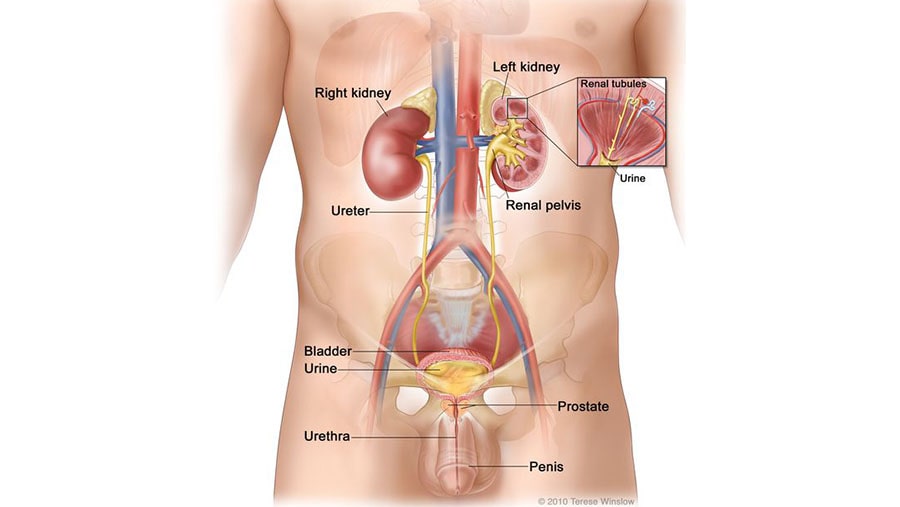
The urinary tract includes the ureters, bladder, and urethra, and transports urine from the kidneys to outside the body. The health of these tracts is vital for proper waste elimination and preventing infections.
Symptoms of Urinary Tract Disorders
Symptoms of urinary tract problems include:
- Burning or pain during urination
- Frequent or urgent urination
- Bloody or cloudy urine
- Pain in the flank or lower abdomen
- Recurrent urinary infections
- Urinary incontinence or leakage
Common Urinary Tract Diseases
1. Urinary Tract Infection (UTI)
Urinary tract infection is the most common urinary tract problem, usually caused by bacteria.
Symptoms: Burning urination, frequent and urgent urination, lower abdominal pain, foul-smelling or cloudy urine
Treatment: Prescribed antibiotics, adequate water intake, and personal hygiene
2. Urinary Tract Obstruction
Urinary tract obstruction can be caused by stones, tumors, or prostate problems and can obstruct normal urine flow.
Symptoms: Difficulty urinating, decreased urine volume, flank and lower abdominal pain
Treatment: Removal of the obstruction cause with medication or surgery and control of resulting complications
3. Ureteral and Urethral Stones
Ureteral and urethral stones are formed from mineral deposits and can disrupt urine flow.
Symptoms: Severe flank and lower back pain, blood in urine, nausea and vomiting
Treatment: Fluid intake, medications to help pass stones, lithotripsy or surgery in severe cases
4. Urinary Incontinence
Lack of urinary control occurs for various reasons such as weak pelvic floor muscles, chronic infections, or neurological problems.
Symptoms: Involuntary urine leakage during activity, coughing or sneezing
Treatment: Pelvic floor exercises, appropriate medications, and surgery in severe cases
Urinary tract health is maintained through hygiene, adequate water consumption, and early detection of infections.
Diagnosis of Urinary Tract Disorders
Diagnostic methods include:
- Urine test: Checking for infection, blood, and protein
- Ultrasound: Examining structure and presence of stones or obstruction
- Cystoscopy: Direct visualization inside the bladder and urethra
- Advanced imaging: CT or MRI in specific cases
Prevention and Care Strategies
- Drinking at least 8 glasses of water daily
- Regular bladder emptying and avoiding prolonged urine retention
- Maintaining personal hygiene and proper washing
- Prompt follow-up of any urinary infection
- Pelvic floor exercises and regular physical activity
- Avoiding self-medication with antibiotics
When to See a Specialist?
If you observe the following symptoms, visiting a kidney and urinary tract specialist is essential:
- Severe and persistent burning or pain during urination
- Presence of blood in urine or color changes
- Persistent pain in the flank or lower abdomen
- Urinary incontinence or frequent leakage
- Recurrent urinary infections
Dr. Afshin Molaei, with years of experience in treating urinary tract diseases, is ready to provide specialized services and consultation to patients. You can schedule an appointment through the contact number or online appointment form.
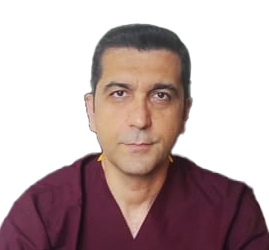
Dr. Afshin Molaei
Kidney and Urinary Tract Specialist, graduate of Shiraz University of Medical Sciences, with outstanding experience in treating urinary tract diseases and disorders