
Common Ureteral Diseases and Treatment Methods
Ureter and Its Function
Ureters are two narrow muscular tubes that transport urine from the kidneys to the bladder. Each ureter in adults is about 25 to 30 cm long. Ureters direct urine toward the bladder through peristaltic movements. Any disruption in ureteral function can lead to serious problems in the urinary system.
Warning Signs of Ureteral Diseases
Some symptoms that may indicate ureteral problems include:
- Severe sudden pain in the flank that radiates to the groin (renal colic)
- Presence of blood in urine (hematuria)
- Frequent urination or urgency to urinate
- Burning during urination
- Fever and chills (if infection is present)
- Nausea and vomiting accompanied by flank pain
Common Ureteral Diseases
1. Ureteral Stones
Ureteral stones usually move from the kidneys and get stuck in the ureter pathway. These stones can cause urinary flow obstruction and severe pain.
Symptoms: Severe wave-like pain in flank and groin, blood in urine, nausea and vomiting, frequent urination
Treatment: Depending on stone size and location, treatment may include increased fluid intake, pain medications, ureteral muscle relaxants, shock wave lithotripsy (ESWL), ureteroscopy (URS) or open surgery.
2. Ureteral Stricture
Ureteral stricture refers to abnormal narrowing of the ureter which can be congenital or acquired. This condition can lead to urinary flow obstruction and kidney damage.
Causes: Recurrent infections, previous surgeries, radiation therapy, recurrent stones, inflammatory diseases
Treatment: Ureteral dilation with balloon, stent placement, open or laparoscopic surgery to correct the stricture
3. Vesicoureteral Reflux (VUR)
Vesicoureteral reflux refers to the backflow of urine from the bladder to the ureter and kidneys. This condition is more common in children and can lead to recurrent infections and kidney damage.
Symptoms: Recurrent urinary infections, unexplained fever in children, urinary incontinence
Treatment: Preventive antibiotics, injection of specific materials at the ureter-bladder junction, corrective surgery
4. Ureteral Tumors
Ureteral tumors are relatively rare but can be malignant. These tumors are usually seen in smokers and elderly individuals.
Symptoms: Blood in urine, flank pain, unexplained weight loss, fatigue
Treatment: Surgery to remove the tumor and part of the ureter, chemotherapy or radiotherapy in advanced cases
Early diagnosis of ureteral problems can prevent serious complications such as permanent kidney damage. If you observe warning signs, be sure to visit a kidney and urinary tract specialist.
Diagnosis of Ureteral Diseases
The following methods may be used to diagnose ureteral diseases:
- Ultrasound: To check for obstruction and ureteral dilation
- CT scan: To detect ureteral stones and tumors
- Intravenous urography (IVU): Imaging with contrast injection
- Ureteroscopy: Direct visualization inside the ureter with special camera
- Urine and blood tests: To check for infection and kidney function
Prevention of Ureteral Diseases
You can maintain the health of your ureters and urinary system by following these tips:
- Adequate water consumption (at least 8 glasses per day)
- Low salt and low animal protein diet
- Avoiding self-medication especially painkillers
- Prompt treatment of urinary infections
- Quitting smoking (to prevent ureteral tumors)
- Regular check-ups especially if you have history of urinary stones
When to See a Specialist?
If you observe any of the following symptoms, it's better to visit a kidney and urinary tract specialist:
- Severe sudden pain in the flank or groin
- Presence of blood in urine
- Fever and chills accompanied by flank pain
- Persistent frequent urination or burning during urination
- History of recurrent urinary stones
- Family history of urinary system diseases
Dr. Afshin Molaei, kidney and urinary tract specialist in Shiraz, with years of experience in diagnosing and treating ureteral diseases is ready to provide specialized services to patients. You can schedule an appointment through contact numbers or the online appointment form.
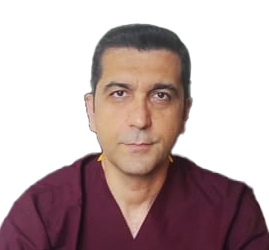
Dr. Afshin Molaei
Kidney and Urinary Tract Specialist, graduate of Shiraz University of Medical Sciences with over 15 years of experience in diagnosis and treatment of kidney and urinary tract diseases